Headquartered in Dallas, with 24-hour global coverage.
Our core team is based in the United States, close to the clients and compliance environments we build for. Partner engineering and support teams in other regions extend our delivery and support window around the clock.
Dallas, TX
United States
Worldwide
Built by healthcare operators and ML engineers.
No one on our leadership team is new to clinical workflows. Most of us did the work we're now automating.
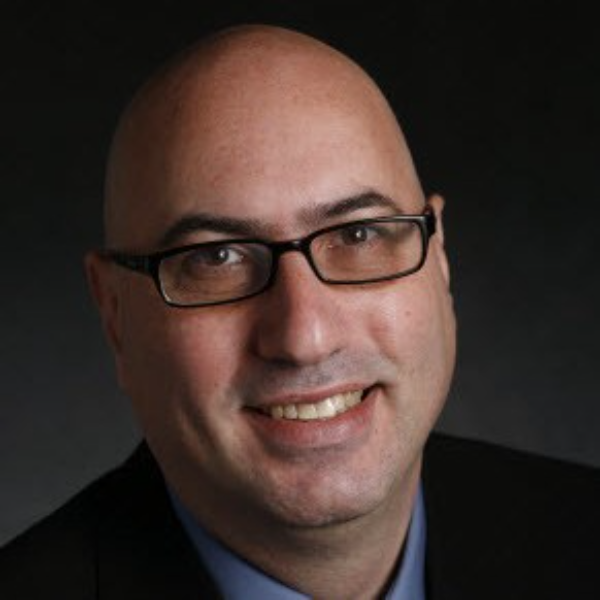
Ammar Darkazanli
Technology executive with 20+ years leading AI and data engineering across healthcare and life sciences. Has led 120+ professionals across engineering, product, QA, DevOps, and analytics to ship autonomous AI that improves clinical decision-making and patient outcomes.
Sets product and architectural direction for every ML Health AI engagement. Depth in LLMs, agentic systems, GNNs, and cloud microservices (AWS, GCP, Azure), and in meeting HIPAA, FDA, and SOC 2 requirements inside regulated clinical environments.
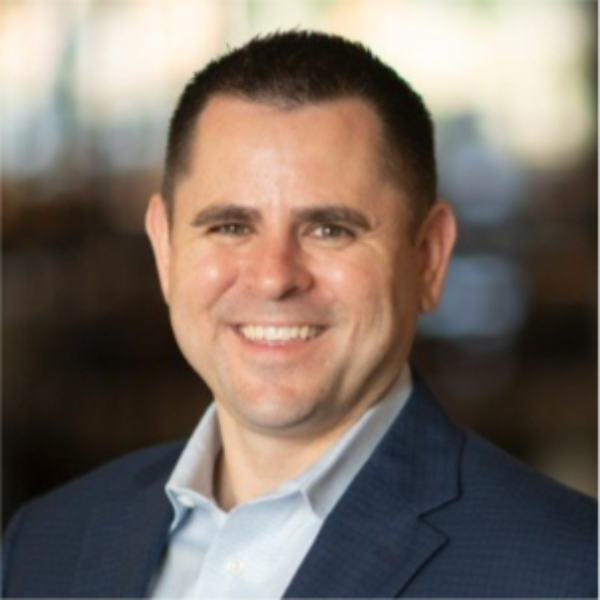
Ken Thoman
Scaling operations. Driving performance. Leading transformation. Has led multi-site healthcare and diagnostics organizations through expansion and turnaround — including scaling processing capacity from 1.5K to 5K specimens/day, cutting turnaround from 48 to 24 hours, and driving EBITDA from $5M to $24M while maintaining compliance and service quality.

Jeani Milner
Driving revenue. Expanding relationships. Scaling growth. 15+ years in healthcare commercial operations and enterprise sales. Deep C-suite and KOL relationships across hospitals, reference labs, and academic institutions, with specialty experience in point-of-care systems and molecular diagnostics.
Benjamin Weinstein
Chairs the board and guides long-term strategy, governance, and capital structure. Brings decades of experience scaling healthcare-adjacent companies through regulated deployment cycles.
Jaryd Stein
Strategic advisor on go-to-market, partnerships, and growth within the healthcare sector. Works closely with our commercial team on enterprise engagement strategy.
Pick the door that fits.
Sales & pilots
Talk to someone about bringing ML Health AI into your organization.
sales@mlhealthai.comWe're hiring operators, engineers, and clinicians.
Particularly forward-deployed engineers, HL7 integration leads, and ML researchers with experience shipping into regulated healthcare environments. Remote across the United States, with optional hub time in Dallas.